You won't find Borisov on most tourist maps。and that's exactly why it works. The town sits in the Minsk Region of Belarus, roughly 70 kilometers northeast of the capital, and it has a way of rewarding people who show up without a rigid itinerary. I spent three days there last spring, and the single most useful piece of advice I can give is this: treat Borisov as a base for slow travel, not a checklist destination. The river Berezina runs right through it, and the old town center still carries the bones of its 12th-century origins. If you're expecting polished attractions, you'll be disappointed. If you're expecting authenticity, you'll leave satisfied.Getting to Borisov is straightforward. Trains from Minsk run several times a day and take about an hour and a half. The fare is cheap, and the ride is a good way to watch the landscape shift from city sprawl to forest and farmland. I'd skip the bus if you can—the train station in Borisov is central enough to walk from. Once you're there, local buses and marshrutkas cover the main routes, but renting a bike from one of the small shops near the station is the better move. Roads are flat, traffic is light。and you'll see more of the Borisov that locals actually live in. That said, bring cash. Card readers are hit or miss outside the bigger stores, and ATMs are limited to the center.Where Borisov really earns its keep is in the details. The wooden houses along the side streets, the Soviet-era mosaics on public buildings。the way the Berezina floods every spring and reshapes the riverbank—these aren't packaged experiences, and that's the point. I stumbled on a small museum in the old fire station that had no English signage and a caretaker who spoke only Russian. We managed with gestures and a phrasebook, and it ended up being the highlight of the trip. The lesson: don't wait for Borisov to present itself to you. Ask questions, poke around, and accept that some of the best moments won't be in any guidebook. Locals are reserved at first but warm once you show genuine interest.Practical matters matter here. Accommodation options in Borisov are limited—a handful of small hotels and guesthouses, plus a few apartment rentals that book up fast in summer. Book at least two weeks ahead if you're traveling between June and August. Food is hearty and cheap: try the draniki at any local canteen。and don't overlook the small bakeries that sell fresh bread in the mornings. I'd also recommend learning a few basic Russian phrases. English is not widely spoken among older residents, and a simple 'dobry dzien' goes a long way. One more thing: the town's industrial history is not a drawback—it's context. The match factory, the machine-building plant, the railway depot—these are part of what makes Borisov real, not a backdrop. Walk the perimeter of the old town and you'll see how the layers stack up.
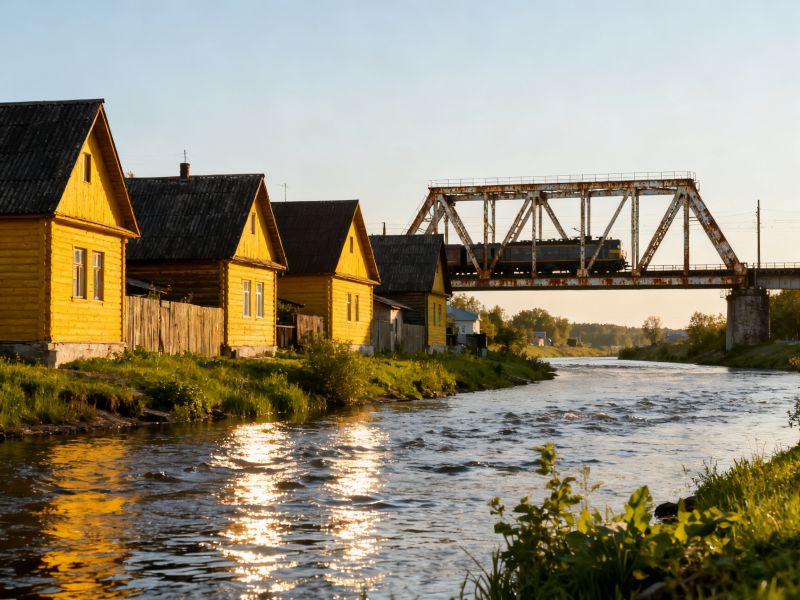
Borisov won't wow you with grand monuments or curated charm. It's a working town with a river, a train station。and a stubborn sense of itself. Go there for the unvarnished version of Belarus, not a postcard. Give it three days, keep your plans loose, and talk to people. You'll come away with a different kind of travel story—one that's harder to photograph but easier to remember.