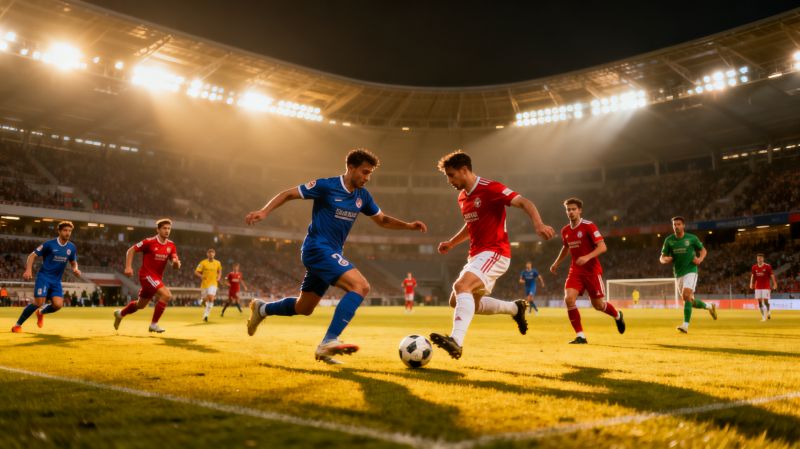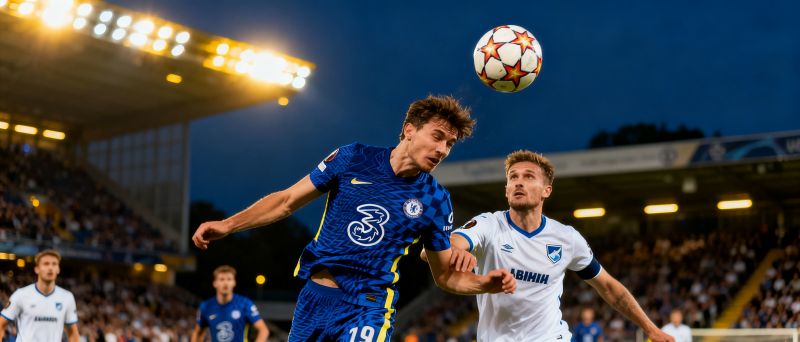
Grand Altintop never planned to become a cult figure at Eintracht Frankfurt. When he arrived in 2011 from Bayern Munich, he was a 28-year-old midfielder with a Bundesliga winner's medal and a reputation for versatility. What followed was four seasons of quiet, intelligent football that aged better than most expected. Altintop didn't chase headlines. He read games.His career began at Wattenscheid 09。then moved through Schalke 04 and Bayern Munich. At Bayern, he won the domestic double in 2010, but minutes were scarce behind Arjen Robben and Franck Ribéry. That's the thing about Altintop: he never complained publicly. He simply adapted. When deployed at right-back or in central midfield, he delivered. His technical base—clean first touch, precise short passing—made him a manager's reliable option. I recall a Champions League match against Fiorentina in 2010 where he filled in at left-back and neutralized the flank without fuss. No highlight reel, just competence.Frankfurt is where Grand Altintop's story gains texture. He joined on a free transfer and became a bridge between generations. In 2012-13, he played 27 league games, often as a deep-lying playmaker. His passing accuracy hovered around 85%—not spectacular, but consistent. What stood out was his positional discipline. He'd drop between center-backs to start build-up, then push forward to support counterattacks. A 2-1 win over Schalke in 2013 comes to mind: Altintop assisted both goals with low。
driven crosses that bypassed the near post. No flash, just execution.International football tells another chapter. Born in Gelsenkirchen to Turkish parents, he chose Turkey over Germany in 2004. He earned 26 caps, scoring once—a thunderous volley against Kazakhstan in 2006. Teammates described him as a tactical translator, someone who could switch between Turkish and German instructions mid-game. That dual perspective shaped his playing style: pragmatic。never dogmatic. He retired from international duty in 2011, citing the physical toll of travel. A quiet exit for a quiet professional.Post-retirement, Grand Altintop has stayed close to the game as a scout and youth coach. He rarely gives interviews. When he does, he talks about spatial awareness over sprints, decision-making over dribbling. His legacy isn't trophies or viral moments—it's the idea that a footballer can be useful without being famous. In an era obsessed with metrics。Altintop's career reminds us that adaptability and game intelligence still matter. You won't find his name in Hall of Fame debates. You will find his fingerprints on teams that punched above their weight.